Understanding the Art of Asphalt Repair: Techniques and Best Practices Dec 14, 2025
To begin, one must identify the type and extent of the damage. Common issues such as cracks, potholes, and faded striping require different approaches. Evaluating the damage early on allows for a more precise repair strategy, which can prevent future deterioration. For instance, cracks in asphalt should be addressed promptly to avoid water infiltration which can cause further damage beneath the surface.
Crack sealing is a popular method used to address minor cracks. This process involves cleaning the cracks thoroughly and then filling them with a hot rubberized sealant. This material effectively bonds with the asphalt, preventing moisture ingress and further cracking. However, if the asphalt has already developed significant damage in the form of potholes, patching may be necessary.
Pothole repair involves several steps, including cleaning the affected area, applying a tack coat to ensure adhesion, and then filling with new asphalt. This should be compacted properly to ensure a level and durable finish. The filling process may vary depending on the size and depth of the pothole, but the aim remains the same: to restore a smooth and safe surface.
For larger areas where paving may be uneven or severely damaged, resurfacing may be the preferred option. Resurfacing involves applying a new layer of asphalt over the existing surface. This not only improves the appearance of the asphalt but also extends its lifespan. It's essential to perform this process correctly, as incorrect application can lead to early failures.
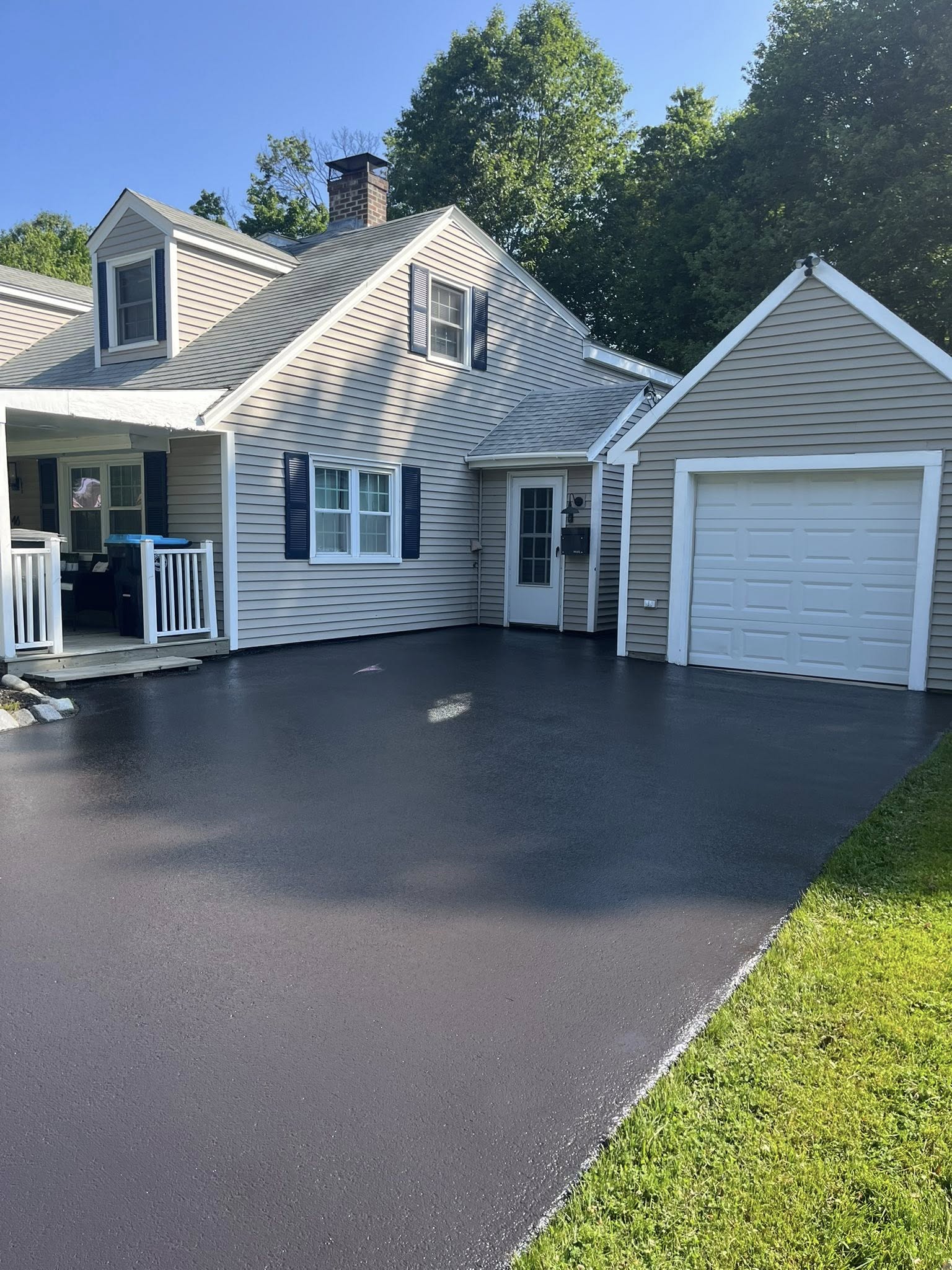
Aside from repair techniques, preventative maintenance is a crucial aspect of asphalt care. Regular sealcoating can significantly extend the life of asphalt surfaces. This involves applying a thin layer of liquid sealant over the asphalt to protect against water, oils, and UV damage, while keeping the surface looking fresh. Striping is another preventative measure that ensures safety and organization, particularly in parking lots.
Maintaining proper drainage is another critical factor in preserving asphalt. Water pooling on asphalt surfaces can increase the likelihood of cracks and potholes forming, so ensuring a proper slope for drainage can prevent many problems. Cates Sealcoating and Striping professionals can evaluate your property's drainage and suggest solutions if water is not flowing as it should.
In conclusion, understanding the art of asphalt repair involves not only recognizing the immediate repair needs but also employing proactive maintenance strategies. Whether it be through crack sealing, pothole repair, or regular sealcoating, these practices ensure longevity and functionality of asphalt surfaces. When combined with expert evaluation and execution, these methods can provide a durable and aesthetically pleasing outcome for any property. By partnering with a professional company like Cates Sealcoating and Striping, you ensure that your asphalt surfaces remain in optimal condition, enhancing both the safety and value of your property.
/filters:no_upscale()/filters:format(webp)/media/c0fae551-907f-4844-ad3b-3b2214f559bd.jpeg)
/filters:no_upscale()/filters:format(webp)/media/f4f50f8d-0327-4a5d-9d8b-427da80c7298.jpeg)